The Hidden Cash Flow Traps in Veterinary Practices With Strong EBITDA

A veterinary practice can show strong EBITDA and still feel constantly tight on cash. The disconnect usually has nothing to do with profitability and everything to do with timing, working capital, and debt service. This article breaks down the most common cash flow traps hidden inside otherwise healthy practices and explains how owners and buyers can identify and fix them before cash pressure becomes a problem.
Year Two – The Transition Year Nobody Plans For After Buying a Veterinary Practice

Buying a veterinary practice is only the beginning. The first year of ownership often brings unexpected cash flow pressure, staff adjustments, and operational challenges that rarely show up during due diligence. This article breaks down what really happens during the transition year and how new owners can navigate it with clarity, stability, and confidence.
Why Debt Structure Matters More Than Purchase Price for Veterinary Owners

Most veterinarians focus on negotiating the purchase price of a practice, but the structure of the debt often has a far greater impact on cash flow, stress levels, and long‑term flexibility. This article explains why loan terms, amortization, and working capital matter more than headline price, and how smarter debt decisions can make ownership more sustainable from day one.
Why the Right Veterinary Advisory Team Is Bigger Than One Firm

Veterinary practices rely on more than just accounting and tax support. Learn why working with an advisory team that brings a deep bench of industry specific professional relationships helps practice owners make better decisions, reduce risk, and build long term value.
Buying a Veterinary Practice? 5 Things Every Buyer Must Know

Buying an existing veterinary practice can accelerate your path to ownership, but only if the numbers, operations, and transition risks hold up under scrutiny. Too often, buyers focus on price and surface level profitability while overlooking cash flow realities, operational inefficiencies, tax exposure, and people related risks that emerge after closing. This guide outlines the five critical areas veterinarians must evaluate before signing an LOI and explains how KCG Veterinary Advisors helps buyers perform meaningful quality due diligence, protect cash flow, and build a confident foundation for ownership.
Corporate Consolidation in Veterinary Medicine: Smart Practice Owners Are Repositioning Their Value

Veterinary medicine is changing faster than it has in decades. Corporate groups are expanding across nearly every corner of the profession. Clinics, wellness plans, online pharmacies, insurance platforms, and technology services are increasingly owned or influenced by large organizations. For many veterinarians, this shift feels unsettling. There is a real concern that veterinary medicine is drifting toward a model that resembles human healthcare, where systems, pricing structures, and networks limit autonomy for both doctors and clients.
That concern is valid. But it is only part of the picture.
Should Relief Veterinarians Form an LLC? 1099 vs S‑Corp Explained

Most relief veterinarians start the same way. You provide a W‑9 to multiple clinics, get paid as a 1099 contractor, and report everything on your personal tax return. It is simple, flexible, and gets you working quickly.
For many relief vets, that structure works well early on. But as schedules fill up, income increases, and you take on more responsibility across multiple practices, cracks often start to show.
That is usually when the question comes up. Should I form an LLC?
Boosting Team Efficiency and Reducing Staff Burnout

The veterinary industry faces a long-term staffing crisis, and burnout is one of the biggest threats to team stability and patient care quality. Practice owners who fail to address efficiency and team well-being risk losing valuable staff, compromising client experience, and watching profitability suffer as turnover costs mount.
Best Practices for Appointment Scheduling and Reducing No-Shows

Poor appointment scheduling costs veterinary practices thousands of dollars annually through lost revenue, overwhelmed staff, frustrated clients, and wasted capacity. Every empty appointment slot represents money left on the table and team time that could have been used productively, but with the right strategies, you can transform your scheduling system into a competitive advantage.
Video Short: Three things you can do to improve your practice today

Feeling stuck? Here are 3 things you can do to improve your practice today.
How to Increase Profitability in a Veterinary Practice
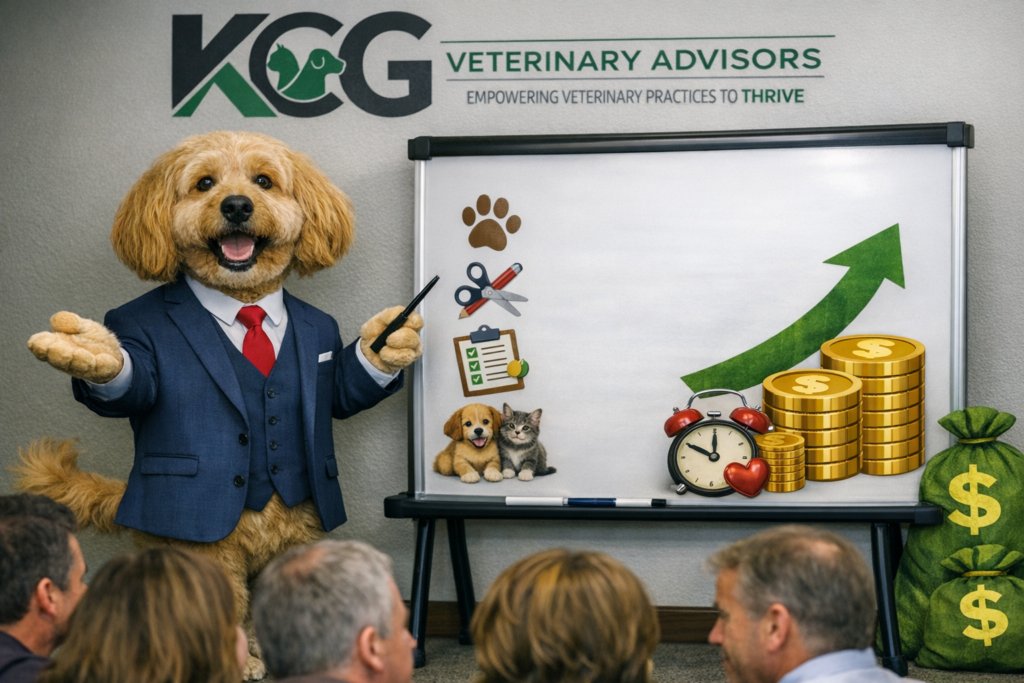
Running a veterinary practice today requires more than great medicine; it requires a strong financial strategy that turns clinical excellence into sustainable profitability. As labor costs rise, supply prices fluctuate, and client expectations increase, practice owners face mounting pressure to strengthen margins without compromising patient care. For veterinary practices seeking to improve profitability, KCG Veterinary […]
Telehealth Strategy in Veterinary Medicine: A Practical, Profitable Tool

Telehealth in veterinary medicine is no longer just a convenience—it’s a strategic tool for improving access to care, protecting doctor time, and strengthening practice profitability. When structured properly, telehealth enhances continuity of care while helping practices better manage capacity, pricing, and workflow.
Why Getting Pricing Right Can Make or Break Your Veterinary Practice

Pricing affects far more than revenue—it shapes cash flow, team sustainability, and how confidently you can run your practice. When pricing falls out of alignment, even busy clinics can feel constant financial pressure. Getting pricing right isn’t about charging more; it’s about making sure your care, your team, and your future are properly supported.
Improving Client Retention and Increasing New Client Growth

Building a thriving veterinary practice depends on two essential pillars: keeping existing clients loyal and continuously attracting new ones. While many practices devote energy to marketing, the most impactful growth often comes from strengthening relationships with the clients you already serve. When retention is high and satisfied clients spread the word, new client growth becomes much […]
The State of the Veterinary Industry Today: What Practice Owners Need to Know
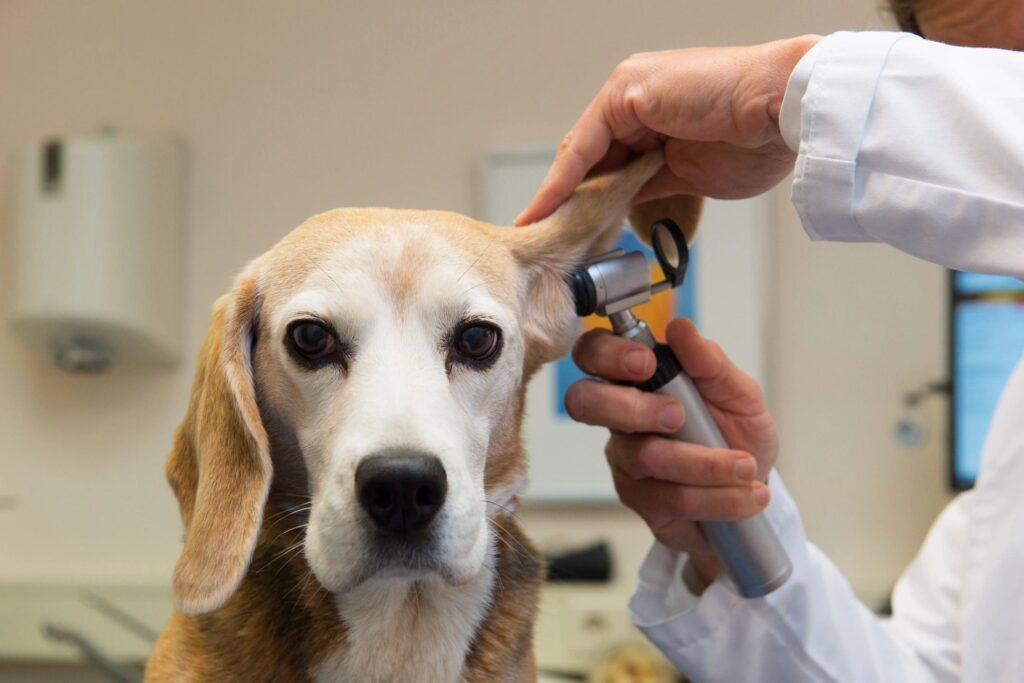
The veterinary industry is undergoing rapid change driven by shifting client expectations, workforce shortages, rising costs, and evolving medical demands. While long‑term growth remains strong, today’s environment requires practice owners to be more strategic, flexible, and data‑driven than ever. Pet Ownership and Demand Trends Pet ownership continues to rise, with U.S. households increasing from 67% […]